While many people may associate ska with checkerboard patterns and porkpie hats, this evolving music genre is much more than that.
Starting in the mid 1950s, ska originated in Jamaica as a sort of celebratory soundtrack following the country’s independence from British rule. This would later be known as the first wave of ska, bringing bands such as The Skatalites.
The defining characteristic of ska was its unique sound, which used brass instruments such as the trumpet, trombone, and, during the first wave, the steel pan.
Ska’s second wave, commonly known as 2 Tone, emerged in England between the late 1970s and the early 1980s. This is when some of the most recognizable names in ska came to be.
The second wave brought innovations in its sound, doing away with the steel pan, while keeping its upbeat swing style with bands like The Specials and Selector.
After several years, ska once again reappeared, this time in the U.S. between the late 1990s and early 2000s. Third-wave ska didn’t forget its roots, but didn’t let them limit innovation either. The genre once again took its influence from previous genres while mixing in the current style.
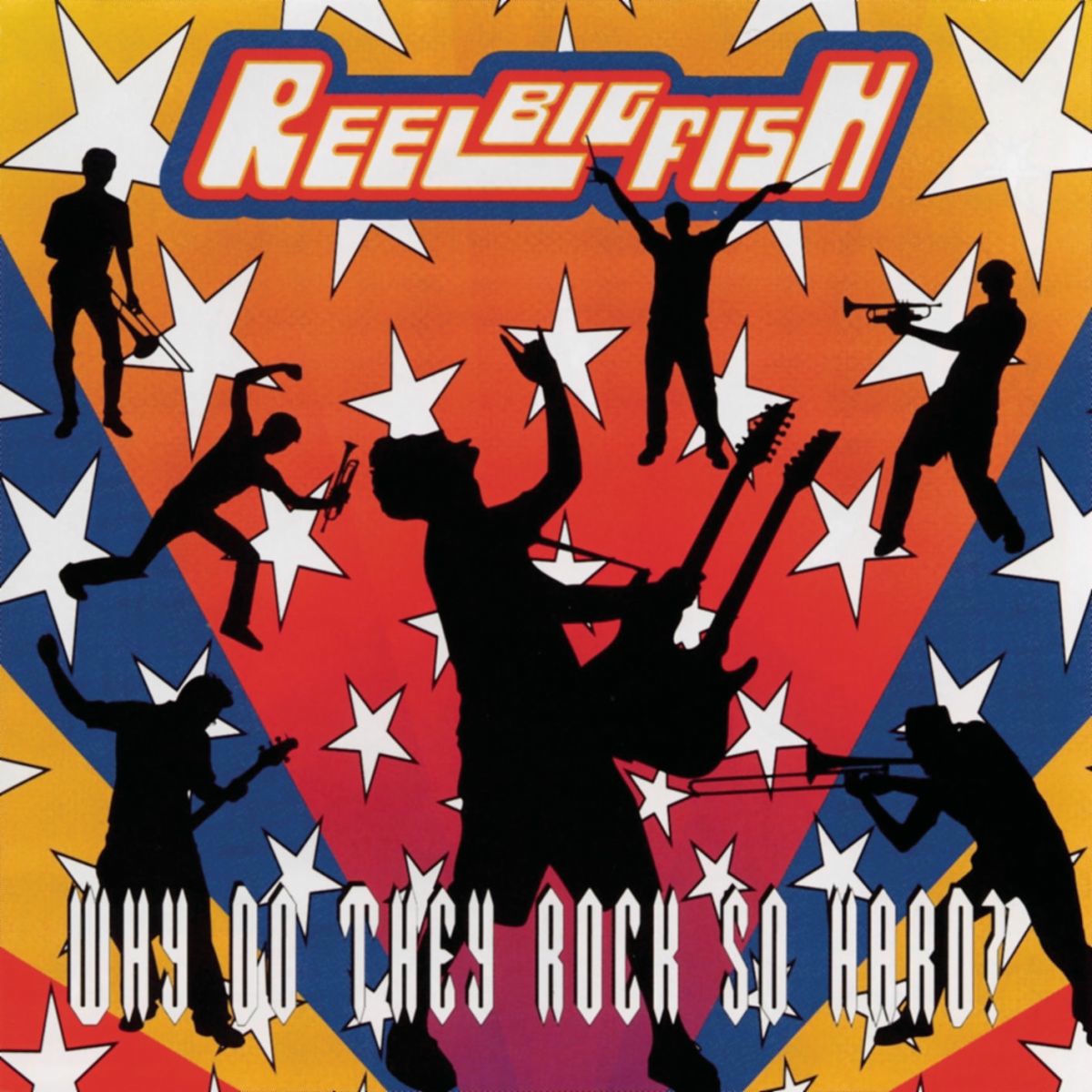
The third wave brought in grainy guitar tones from the grunge era and vocals that fit the current age of punk rock. The result of these changes led to the birth of the ska-punk subgenre, including bands such as The Mad Caddies, The Aquabats, and Reel Big Fish.
Ska’s impact in the U.S. was one of the most recognizable changes in the country’s musical culture. For nearly 20 years, ska was the staple music genre for skaters and some other demographics
After fading from the spotlight once more, the resurgence of ska is now underway, with many smaller bands taking root across the world. Japan is a leader in this resurgence, with bands like Five State Drive.