
In the era of smartphones, smart fridges and smart toasters, everything is made for ease of access. Sadly, contact lenses were left behind.
As such a rapidly growing industry, contact lenses should be the better option for visually impaired people, yet they aren’t. This so-called sleeker, simpler, and safer alternative is nothing of the sort.
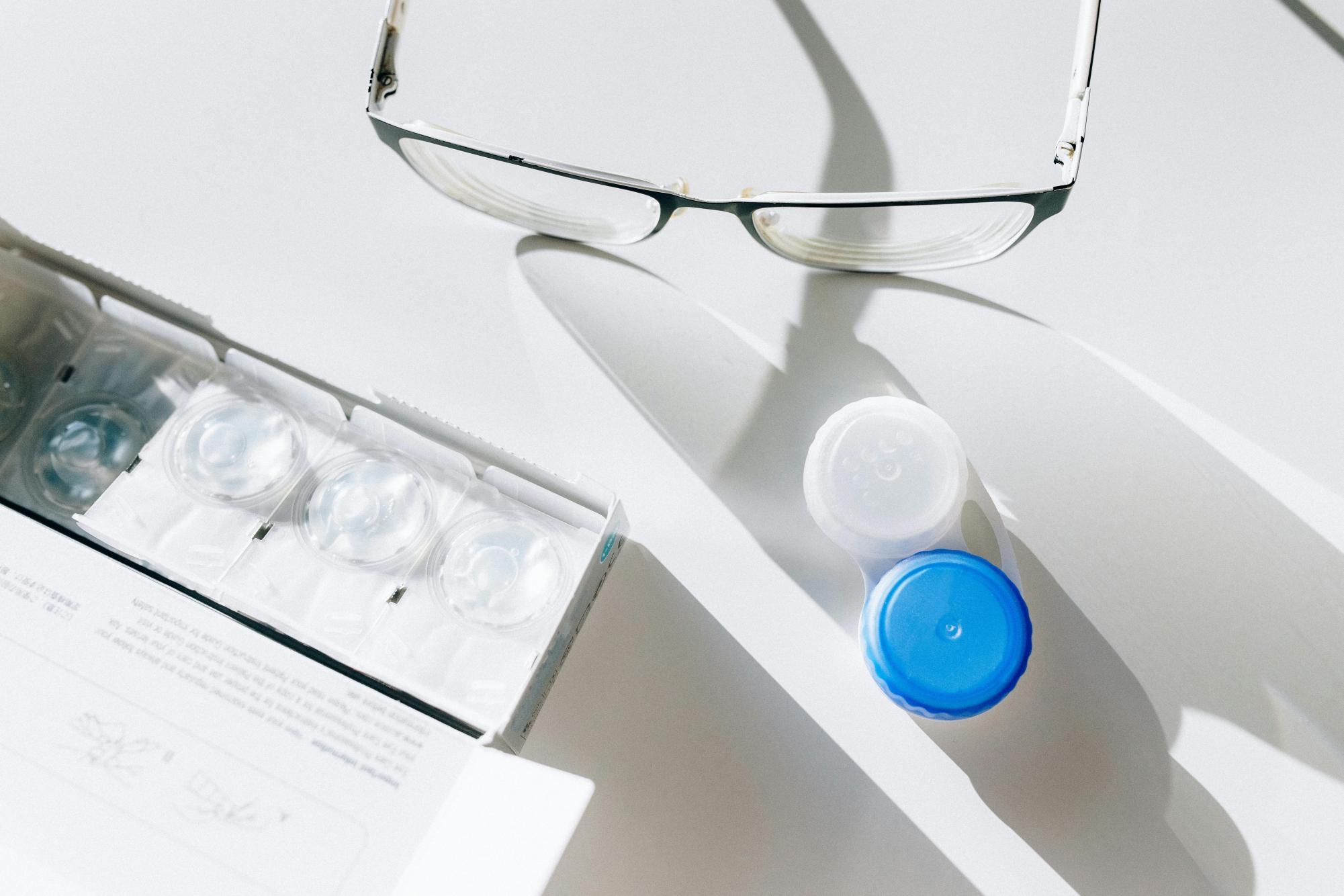
The regular daily procedure for maintaining contact lenses consists of a herculean ritual. Wash hands vigorously, rinse the container, lightly submerge the lens in a chemical soup – all before even putting on the lens. Also, be sure not to drop it down the sink. This routine needs to be practiced day and night, seven days a week, and it requires replacing cases, lens packs, and solution bottles. For those sensitive to touch, constantly poking and prodding eyes presents a serious challenge.
Compared that with the nearly non-existent procedure for eyeglass wearers: Squirt on some cleaner, wipe, and done. There is no degree in contact-ology required, which makes the choice clear.
In addition, accidentally sleeping with lenses can lead to reduced oxygen supply to the eyes, as well as infections that can be dangerous. If you fall asleep in eyeglasses, the worst side effect is a bent frame and a bizarre indent in your pillow.
Instead of harming eyes, eyeglasses even act as a shield from dust and allergies.
In terms of fashion and expressing oneself, eyeglasses are ideal. Cat-eye, tortoiseshell, rimless, neon, vintage, round, rectangle, red, blue, pink, gray, and spikes are just some of the styles available.
Price is another factor. One year’s worth of prescription eyeglasses costs around $200 without insurance. One box of contact lenses costs around $40, but most people go through more than five boxes yearly. Add in the cost of solution and cases, and the annual price of contact lenses versus glasses is hardly comparable.
People have been using eyeglasses for hundreds of years. To act like this is a hard decision, or even a decision at all, is laughable.

For people who don’t have 20/20 vision, contact lenses are an excellent way to perfect their vision while maintaining comfort.
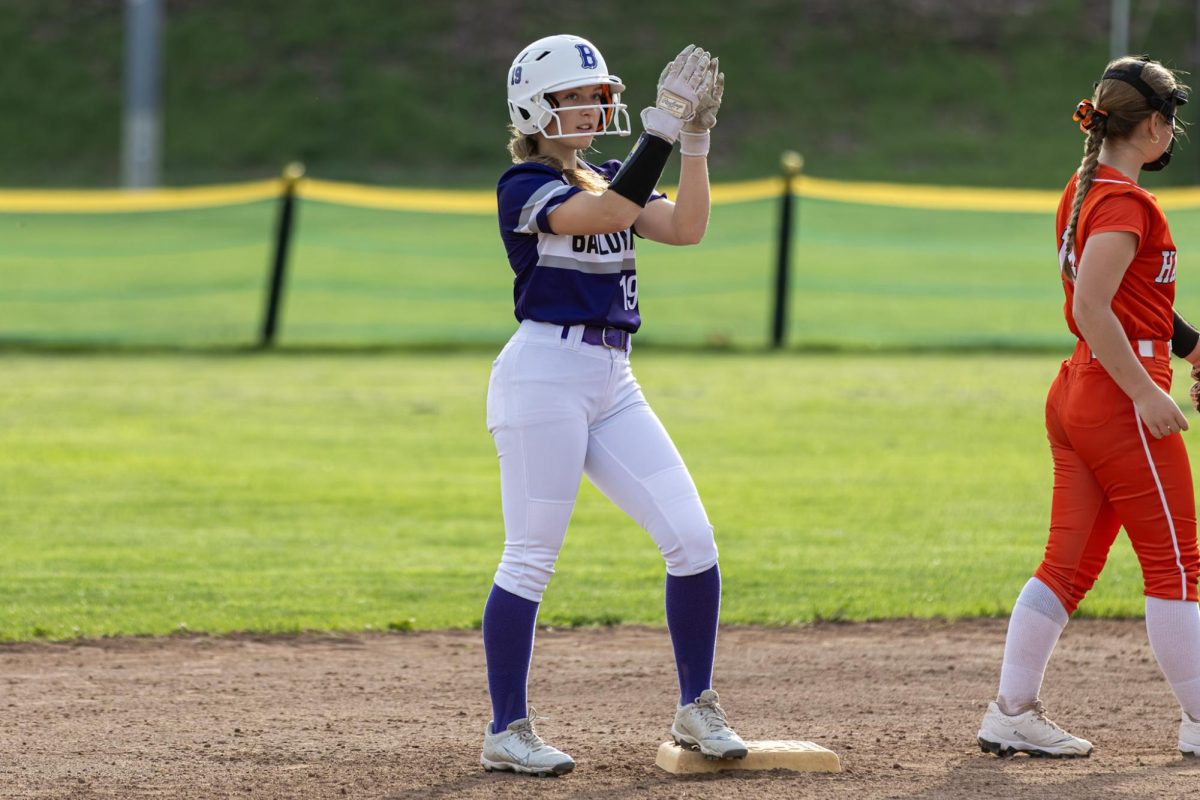
Although eyeglasses are an alternative, contact lenses are more efficient and effective. For example, many athletes prefer contact lenses to participate in their sport and excel, allowing for a full range of movement without the risk of their glasses falling off.
Contact lenses are less likely to be lost or misplaced due to being worn directly on the eye. And if they are lost, they often come with more than one in a pack. Lost your eyeglasses, though, and you will face the hassle of searching for them with impaired vision.
Contact lenses also provide significantly clearer vision than alternatives like glasses. Glasses can get scratches, and the lack of direct contact with the eye leaves room for blurrier vision. But contact lenses provide unobstructed aid to a person’s vision.
Beyond just functionality, contact lenses are beneficial for aesthetic preferences. Tinted or custom contact lenses let users choose based on their preferences and eye shape.
Contact lenses are also just more effective in day-to-day activities, like in the summertime when the sun is shining and sunglasses are necessary. Eyeglass users have to double up with clip-on sunglasses or pay extra for transition lenses. But with contact lenses, it’s easy to have 20/20 vision and wear sunglasses for protection from UV rays.
And it’s not just the sunshine. Whether it’s protective wear for lab work or goggles for swimming, contact lenses are the best, most convenient option.