According to testimony given by Dr. Jared Horvath in a recent Senate hearing, Gen Z is the first generation to underperform the previous generation in standardized testing. Technology and social media get blamed, but there is another explanation that many people are overlooking.
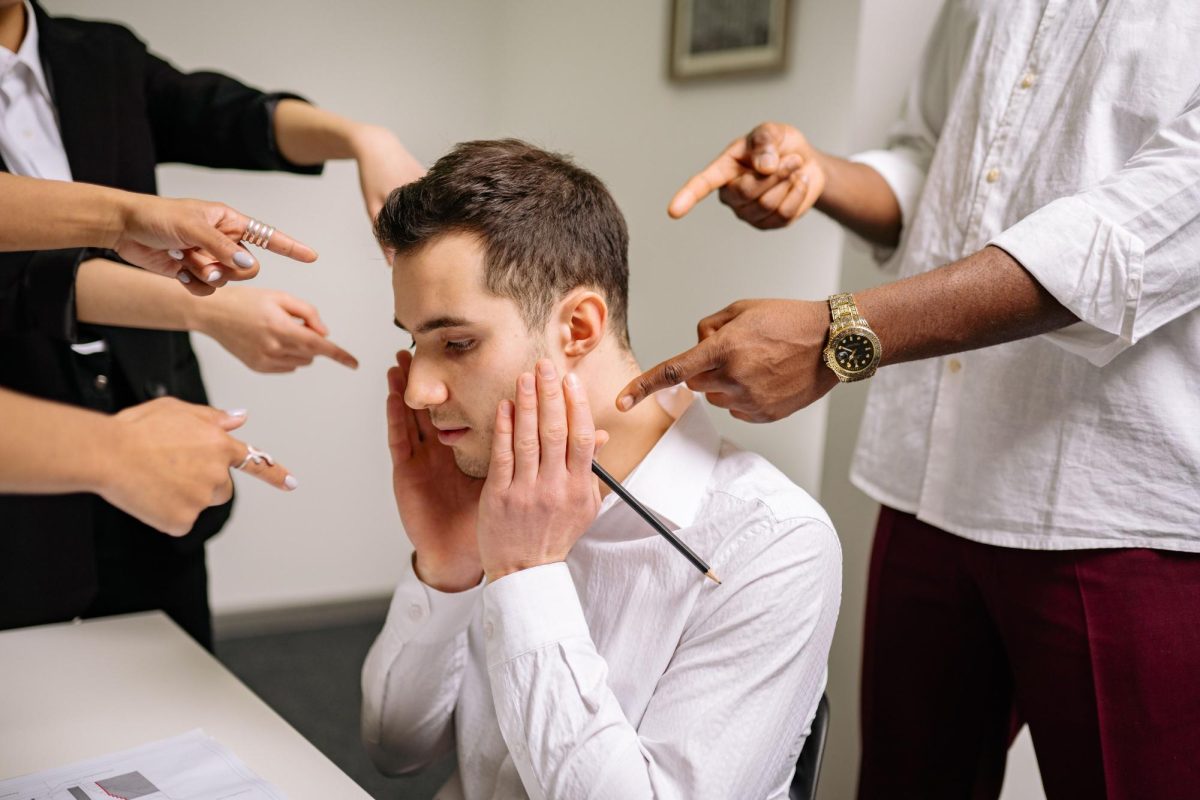
With COVID-19, economic hardship, and increased world tensions, many younger generations have had more issues to keep track of and have endured more personal hardship than previous generations. The stress has prevented them from living the relatively “normal” lives of previous generations.
Each generation has had its hardships. For the Baby Boomers it was the Cold War, for Generation X it was the threat of nuclear war, and for older Millennials it was 9/11. However, most of the people in these generations did not experience those stressors directly.
Younger Millennials and Gen Z experienced the effects of the 2008 financial crisis firsthand, whether that be as they were growing up, in the case of Gen Z, or when they were entering the workforce, in the case of younger Millennials.
This has resulted in younger generations experiencing more instability in their daily lives and less prosperity than before. Many struggle to see a future where they are able to afford a home or even start a family. In addition, mental health problems are on the rise, making the situation all the more apparent even on a statistical level.
Something that has been well known in psychology is that prolonged stress over time can produce noticeable dips in mental capabilities. Considering this, in combination with the world moving more quickly and requiring more immediate attention, it is no wonder that younger generations are struggling to outperform their predecessors academically.
In Horvath’s testimony, he claimed the primary reason for the dip is due to the rise of technology in schools, saying that it is proven to decrease performance in research that reaches as far back as the 1960s.
However, this fails to explain why previous generations did not experience this dip. Newer generations are living in unprecedented times; it would only make sense that their problems are the result of equally unprecedented causes.