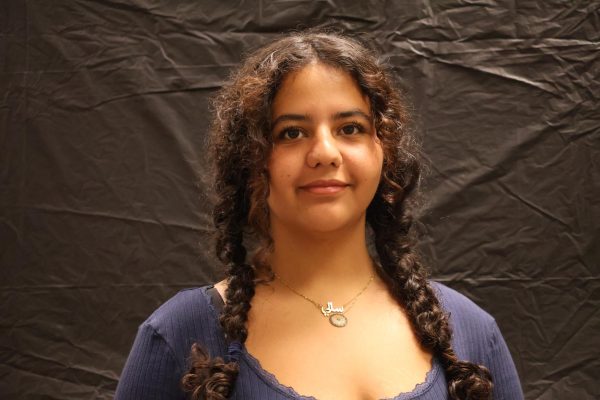
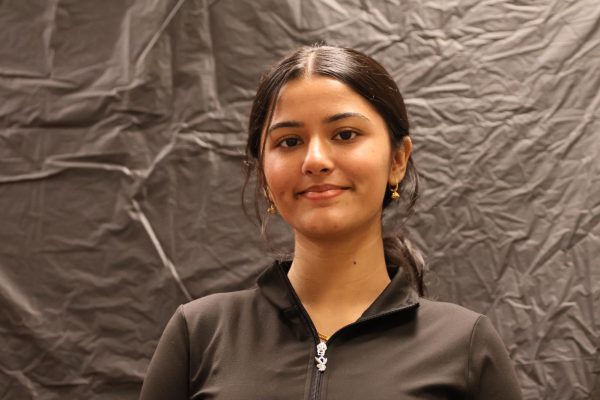
Though senior Ayse Sari finds fasting for Ramadan to be beneficial for an individual’s health, there are some downsides when it comes to school and focus.
“It makes me super tired and nauseous throughout the day,” Sari said. “I can’t focus, but it’s all worth it in the end.”
Sari has been participating in Ramadan since she was 8 years old.
“You can’t drink water or eat food, and a lot of people might think that this is brutal, but in reality, it is best for us humans mentally and physically,” Sari said. “It makes you realize how grateful you are as a human to have food and water, and it makes you put yourself in the shoes of the less fortunate.”
Islam is one of several religions followed by Baldwin students that incorporate personal sacrifice into their practice. Baldwin followers of Judaism, Christianity, and Hinduism also make personal sacrifices during important religious holidays.
For Muslims, Ramadan is a month of spirituality in which they fast from sunset to sunrise to develop self-discipline, spiritual growth, and compassion for the needy. After the month-long sacrifice ends on Thursday, Muslims will celebrate Eid al-Fitr, a holiday that commemorates the completion of fasting.
Junior Dinara Veysalova also acknowledged that Ramadan fasting impacts her school life.
“Sometimes it’s difficult to focus on schoolwork. If I don’t wake up before sunrise, it makes it more challenging. But it doesn’t stop me from getting extra tutoring from my teachers every now and then when I need it,” Veysalova said.
TikTok influencer Fareha Khan said that as she gets older, fasting has become easier, but she still finds hardships.
“I’d say the hardest part would be the lack of sleep, since we have to wake up early to eat our first meal and pray,” Khan said.
Despite the difficulties, she emphasizes that the sacrifices made are for all of the right reasons.
“I wouldn’t find it a holiday – it means so much more than that. It’s a month to better yourself,” Khan said.
Participating in Ramadan can also affect college students. Duquesne sophomore Jameel M-Albalawi appreciates the deeper meaning of Ramadan.
“Some think it is only about physical hunger, while in reality, it is about self-control, empathy for those in need, gratitude, and strengthening one’s relationship with God,” M-Albalawi said.
Sarah Ajbouri, an international student from Iraq at Duquesne, said Ramadan can strengthen bonds with family.
“Personally, I participate by fasting on the days I can, praying more, and being more mindful of my actions,” Ajbouri said. “Ramadan also includes special prayers at night and spending more time reflecting on faith.”
Muslim students are not the only ones who sacrifice as part of their religion, though.
Senior Kritanjali Sharma is Hindu and participates in the holidays. Many of them require a “puja,” which is an act of worship in which people offer their devotion to the Hindu deities in a religious ritual.
“To me, holidays are about culture and identity, and they are a big part of who I am. They give me the chance to connect back with my roots, feel a sense of home, and celebrate the values and traditions my religion and communities have passed down,” Sharma said.
A major religious period observed by many in the Baldwin Christian community is Lent, the 40-day span from Ash Wednesday to Easter. Catholics often choose to give up meat on Fridays, and many Christians choose to abstain from sweets or another guilty pleasure.
Senior Reese Temme has been participating in Lent to strengthen her connection with God and her religion.
“It is a time period of remembrance, reflection, and appreciation, so I attempt to embrace all of those qualities and strengthen my connection with my God,” Temme said.
Junior Nora Eckert is Lutheran and also participates in Lent to honor and imitate Christ’s sacrifice.
“I do Lent because I believe in my religion strongly,” she said, adding that it helps people realize what their lives would be like if they did not learn self-discipline.
Eckert’s main sacrifice comes from the luxury item she gives up, which this year is fun drinks such as those at Starbucks and Dunkin’. She also enjoys hearing about what others give up.
“Sometimes it is something super valuable to their day-to-day life, and I’m very impressed by how some people can adjust without it,” Eckert said.
For Baldwin students who are Jewish, such as sophomore Charlotte Landis, Passover provides an opportunity for sacrifice and reflection. Passover is a celebration of the Jews’ liberation from slavery in Egypt over 3,000 years ago. The holiday spans eight days, this year running from April 1 through 9.
“During Passover, we do not eat any foods that have risen,” Landis said. “We eat a flat cracker called matzah instead. This is the tradition because when the Jews left Egypt, they had to leave so quickly that the bread they baked did not have time to rise and turned into a cracker, like matzah.”
Passover honors Jewish history, she said.
“Eating a restricted diet for Passover is important because it is a commitment to God and shows gratitude for our deliverance from slavery,” Landis said. The holiday is “often misunderstood when people do not understand the reasoning behind the sacrifices.”
Rabbi Eli Wilansky, from Bnai Emunah Chabad of Greenfield, said not everyone is aware of Jewish customs during holidays like Passover, but he appreciates those who try to learn.
“Easter always falls around Passover on the calendar, and people know about Easter, but sometimes not everyone knows that we cannot eat bread and other things,” Wilansky said. “They may not know everything, but we always have people asking and trying to understand, so that is appreciated.”
Recently, these religious holidays have gained more traction with some people who do not follow the religion itself. This has led to both positives and negatives, students said.
For example, Ajbouri sees more positive results online.
¨Personally, I do not mind when Ramadan gains attention online. In some ways, it can actually be positive because it spreads awareness about the holiday and helps people learn about Muslim culture and traditions,” Ajbouri said.
Sari enjoys seeing non-Muslims engage in Ramadan.
“Non-Muslims participating makes me super happy because they do it out of their own free will, and you don’t have to be Muslim to fast,” Sari said.
Sharma thinks it is acceptable – as long as people are respectful of Hinduism and culture.
“I think it’s okay for non-Hindu people to celebrate or acknowledge our culture and religion, as long as they are respectful. If they are celebrating for meaningful reasons, that’s great,” Sharma said. “But if it’s just for fun or without understanding the significance, that could be problematic.”
However, some people, especially online, have not been respectful of religious observances.
“I have seen jokes and memes about Ramadan fasting online. Some are harmless and relatable, but others can be insensitive,” M-Albalawi said. “When I see disrespectful ones, I usually ignore them or try to explain the real purpose of fasting.”
Duquesne University sophomore Fawaz Al-Dubaisi agreed.
“I think trends about fasting can help people understand the true meaning of fasting and the experience of Ramadan if they are done respectfully and thoughtfully,” Al-Dubaisi said. “On the other hand, if fasting becomes just a joke, an entertainment challenge, or a shallow trend, then it risks taking away from the seriousness of a religious practice. In my opinion, it really depends on the intention behind it.”