The first round of the college football playoffs is over, and it has highlighted the flaws in the playoff system.
On Friday, No. 9 seeded Alabama faced off against No. 8 Oklahoma. The Crimson Tide rallied from a 17-point deficit to beat the Sooners 34-24, with Bama quarterback Ty Simpson throwing for 232 yards and two touchdowns. The Tide advance into the second round of the playoffs with the win, where they will have to face the No. 1 seeded Indiana.
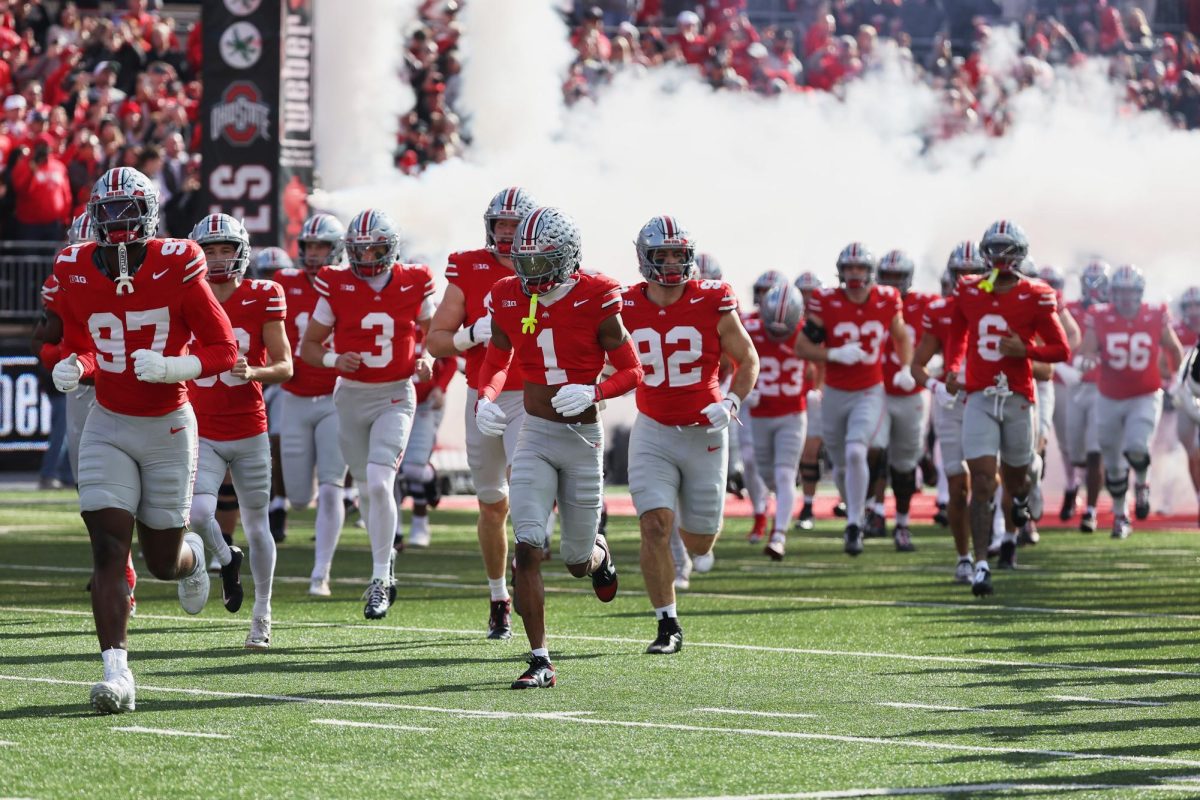
The rest of the first-round games were on Saturday, with one of those games being No. 10 Miami against No. 7 Texas A&M. The Hurricanes won the defensive battle 10-3, with wide receiver Malachi Toney hauling in the only touchdown of the game. Miami’s next game is against No. 2 Ohio State in the Cotton Bowl.
After facing backlash from the college football community during the playoff selection process, these two winning teams have proven that they belong in the playoffs. They both came in as underdogs in their matchups, and they both came out of their opponents’ stadiums with the win.
This helps back up the committee’s playoff selections. Originally, college football fans were upset with the committee choosing Alabama and Florida over teams like Notre Dame. These games proved that the selected teams deserved to be in the playoffs, even if other good teams were left out.
An issue with this weekend, though, was the blowouts that occurred. Ever since the format was expanded, there have been teams with a lower skill level that have made it into the playoffs. This year, those two teams were James Madison and Tulane.
Both the Dukes and the Green Wave have had good seasons, but they haven’t been playing the same opponents as the higher-ranked Power 5 playoff teams. The teams are in lower conferences, so they play teams from those conferences. Despite having similar records, then, the Power 5 teams and these teams are on different skill levels.
So why does the committee have them put them in the playoffs over other Power 5 teams?
With the playoff expansion, the committee wants the lower conferences to be represented. They select the conference champions from those conferences, and those teams get in as the lowest seeds in the playoff.
This can cause issues because of the skill gap. This year, the two non-Power 5 teams both lost in the first round by double-digit points. JMU lost to Oregon by 17, while Tulane fell to Ole Miss by 31.
Fans want to see close games, and having teams that are noticeably better than other teams upsets that balance. Even though those non-Power 5 conference teams had good records, the records don’t matter whenever they go against the heaviest hitters of college football.
The playoff system should be revisited by the committee. If they want lower-conference teams to have playoff games, there should be a separate playoff for them.
Right now, the competitive balance is offset with the expansion to the 12-team format. With a little work, the committee should be able to improve it.