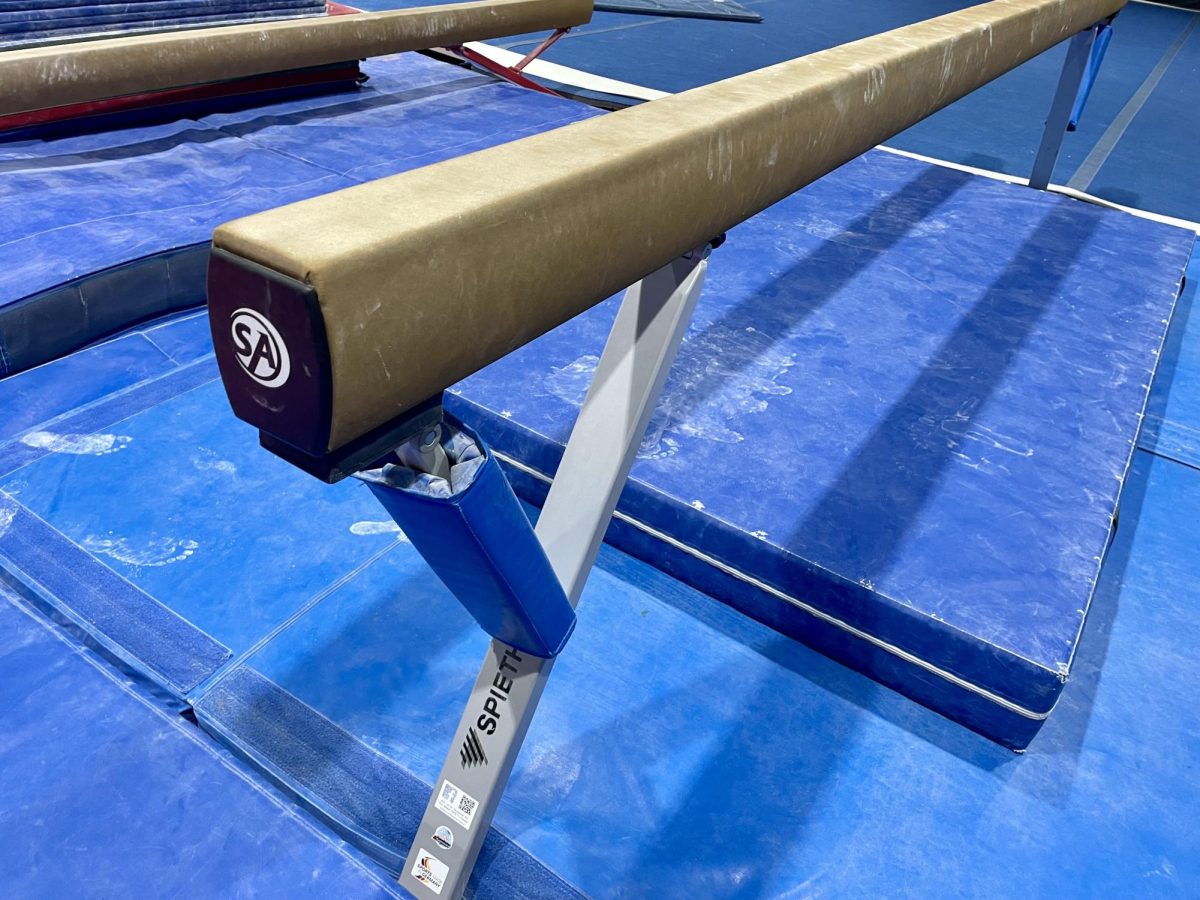
For artists, getting into the creative zone takes time, and even the smallest distraction can break their focus. Under the previous Baldwin bell schedule, daily classes lasted 45 minutes, and when art room setup and cleanup were factored in, students often struggled to find enough uninterrupted moments to truly create.
With the introduction of blocked scheduling this year, students have more time to create their art.
“I feel like I was rushing through my projects for the sake of my grade before,” senior Christal Say said. “But now that we have more time, I can put effort and thought into my projects without worrying about meeting deadlines.”
Similarly, for subjects like science and math, the 80-minute classes provide time for students to do hands-on activities and labs that would not have been possible with the previous 45-minute class times.
“You can set up, do the whole activity, and be done in one class,” math teacher Mark Jacobs said.
There are some challenges with planning an efficient 80-minute period, teachers said.
“For something like AP Chem, where it’s a little more teacher-directed, where I would lecture for most of the time … it’s hard to do that now because it’s just not practical for students to be sitting through an 80-minute lecture,” science teacher Jonathan Tietz said.
To plan for the longer periods, Tietz has adopted a more project-based approach to his classes. Similarly, English teacher Meg Geronimos has incorporated more movement into her classes to help students maintain focus.
Geronimos also said the blocked schedule allows her CHS level students to prepare for real college classes, as class periods at that level are typically longer and only meet on certain days of the week.
Even with careful planning, though, the 80-minute classes can be long.
“If they don’t like (a class), it’s hard to be stuck in that class for 80 minutes,” Tietz said.
Some teachers give students a brief break to go to the bathroom or walk around in the hallway.
“I appreciate the teachers who give us activities to do and give us breaks in between to walk around,” senior Sean Stanley said.
But some students say that CHS and AP-level courses have become even more stressful in the wake of blocked scheduling.
“I feel like, because we started the school year so late, our teachers are in a rush to prepare for the exams. I have to teach myself the units at home for some of my classes,” junior Bronika Timsina said. “At this point, I’d rather have 80 minutes worth of lessons than do these activities.”
There will also be weeks where students may only see their teachers once or not at all, due to absences.
“I missed days due to a broken leg, and it was hard to catch up on my assignments,” freshman Pranita Pokhrel said.
Social studies teacher Natalie Grattan believes that block scheduling should incentivise students to take more ownership of their learning to stay on track. Students can use Canvas and meet with their teachers during Highlander Time to keep up with their work.
Grattan recognizes the toll that a few absences can leave a student.
For students who miss multiple days in a row, “it’s very hard for them to get caught up,” Grattan said. However, those students can see everything they’ve missed on Canvas and work to turn in assignments or go over missed lessons with their teachers.
Grattan thinks that blocked scheduling may, eventually, improve attendance.
There are other advantages of the blocked schedule, including the fact that students get to take a break from their least favorite classes because of the alternating system. It also gives them more time to do their homework or study for classes, since homework assigned on Monday is not due until Tuesday night.
Each student’s schedule likely includes one more hectic day and one that is less stressful.
“It’s nice to have that balance of being not so busy one day and then being productive another,” Stanley said.
The change from previous years is still a big adjustment for many, so students and faculty will continue to get used to and evaluate its effects as the school year continues.
“You need to give it a couple of years (to see), but overall, I think it’s positive,” Tietz said.